


Stains happen. This guide breaks down what to do first, how to pick a stain remover for your situation, and the simple habits that keep small messes from becoming permanent.
If you want to remove stains without making them worse, act fast: blot (don’t rub), use cold water first, and treat from the outside in. Then choose a stain remover that matches the stain type (oil, protein, tannin, dye) and the fabric, and avoid heat (dryer, hot water) until the mark is gone. When you’re unsure, start gentle and test in a hidden spot.
Quick Guide: Match the Stain to the First Move
| Stain type (common examples) | Best first step | Helpful stain remover option | What to avoid |
|---|---|---|---|
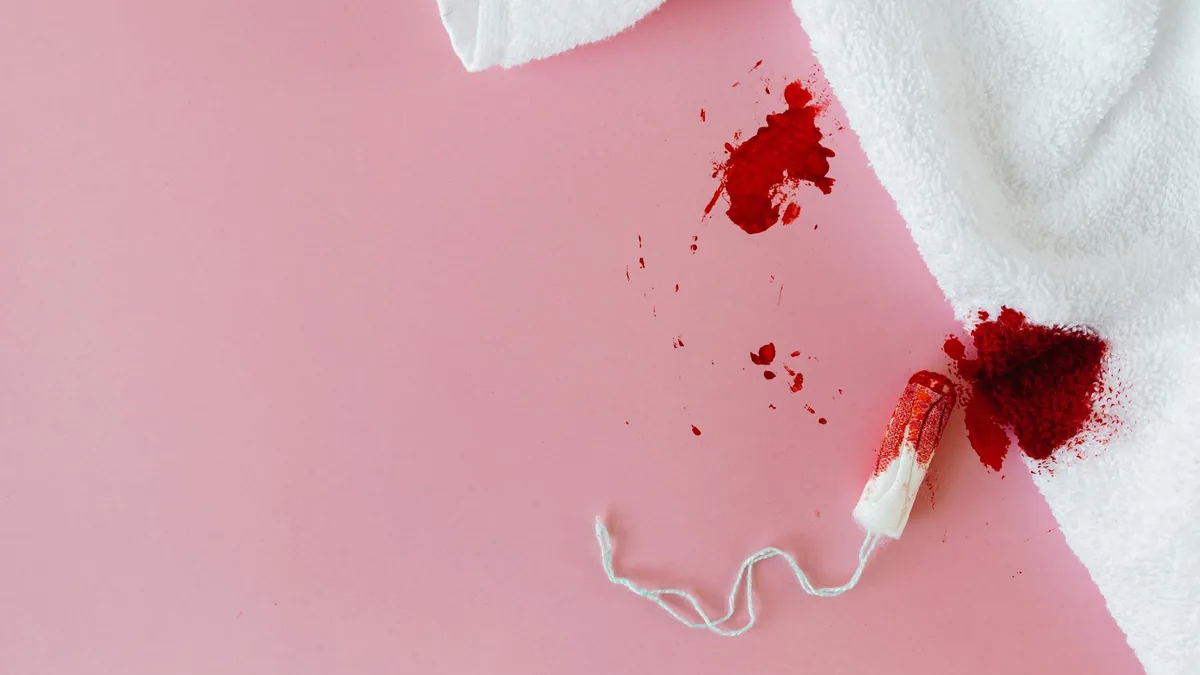
| Protein (blood, sweat, dairy, eggs) | Rinse/soak with cold water | Enzyme-based pretreat | Hot water at the start (can set) |
| Oil/grease (salad dressing, makeup, cooking oil) | Blot, then lift with a degreasing step | Dish-soap-style degreaser or solvent-based pretreat | Rubbing hard (pushes it deeper) |
| Tannin (coffee, tea, wine, many juices) | Blot, then flush with cold water | Oxygen-based bleach for color-safe fabrics | Drying before it’s fully out |
| Dye (berries, tomato sauce, colored drinks) | Blot quickly; keep it damp while treating | Oxygen-based bleach or targeted dye treatment | Heat + time (both make dye cling) |
| Unknown (mystery spot) | Blot + cold water; start mild | Gentle liquid detergent or all-purpose enzyme spray | Mixing products “just in case” |
Tip: On upholstery and carpet, always blot and extract moisture with a clean towel. The goal is to pull the stain up and out—not scrub it in.

Who This Stain Plan Works Best For
- Busy households that need a reliable “do this first” routine for spills on clothes, rugs, and couches.
- Anyone doing frequent laundry (gym wear, kids’ clothes, uniforms) where repeat stains pop up.
- Small-space living where you don’t want five specialty products—just a simple, flexible setup.
How to Choose a Stain Remover (Without Overbuying)
You don’t need a whole cabinet of products to handle most stains. A small, intentional setup usually covers everyday messes—especially if you treat quickly and avoid heat until the stain is gone.
1) Start with the “core” options most homes use
- Enzyme-based pretreat for protein stains (sweat, blood, dairy) and general laundry grime.
- Oxygen-based bleach (color-safe) for many food/drink stains and dingy whites (always follow label directions and fabric care tags).
- Gentle degreaser (often dish-soap-like) for oil, makeup, and greasy food.
2) Check the surface before you treat
- Delicates (silk, wool, “dry clean” items): spot-test first, go gentle, and don’t soak unless the care label allows it.
- Upholstery and carpet: use as little liquid as possible, blot often, and avoid overwetting the padding.
- Colored fabrics: be careful with strong whiteners; oxygen-based options are often safer than chlorine bleach, but testing matters.
3) Pick a format that fits your routine
- Sprays are fast for “treat now, wash later.”
- Gels/sticks cling well to collars and set-in spots.
- Powders (like oxygen boosters) are great for soaking and brightening loads.
4) Avoid common “oops” moments
- Don’t use the dryer as a test. Heat can lock stains in. Air-dry or check the spot before drying.
- Don’t mix cleaners. If you’re switching products, rinse the area first and follow label guidance.
- Don’t rub aggressively. Blotting protects fibers and keeps the stain from spreading.

A 60-Second Decision Framework for Treating Stains
- Blot first. Use a clean cloth or paper towel. Press, lift, repeat. (Rubbing usually spreads the problem.)
- Cold water first—especially on unknown stains. Flush from the back of the fabric when possible, or dab from the outside edge inward.
- Identify the category:
- Oily/greasy? Reach for a degreasing step.
- Protein-based? Use enzymes + cold water.
- Drink/food dye? Keep it damp, blot, and consider an oxygen-based approach.
- Let the product work. Many removers need a short dwell time. Don’t rush straight into scrubbing.
- Rinse, then reassess in good light. If it’s still there, repeat before washing/drying.
If the stain is old or set-in, plan on a repeat round: pretreat + soak (if fabric allows) + wash, then air-dry to confirm it’s gone.
Final Verdict: Keep It Simple, Treat Fast, Avoid Heat
Most stains come out more easily when you do three things: blot right away, start with cold water, and use a stain remover that matches what you’re dealing with (enzymes for protein, degreasing for oil, oxygen-based help for many food/drink marks). If you’re building a realistic routine, focus on a small “core” set of products and a repeatable process—especially if you’re juggling work, kids, workouts, or a packed weekly laundry cycle.
FAQ
What’s the #1 mistake that makes stains permanent?
Heat. Hot water and especially the dryer can set a stain. If you’re not sure it’s gone, air-dry and check first.
Should I treat stains before or after washing?
Before washing is usually best. Pretreat, rinse, then wash. If the stain survives the wash, treat again before drying.
How do I remove stains from upholstery without leaving a water ring?
Use minimal liquid, blot frequently, and work from the outside edge toward the center. When you’re done, lightly blot the surrounding area to blend, then let it dry evenly (good airflow helps).
Want to make this even easier on busy weeks? Save a small “stain kit” in your laundry area (clean cloths, a basic enzyme spray, and an oxygen booster) and check out our related cleaning guides for quick, low-effort routines.